


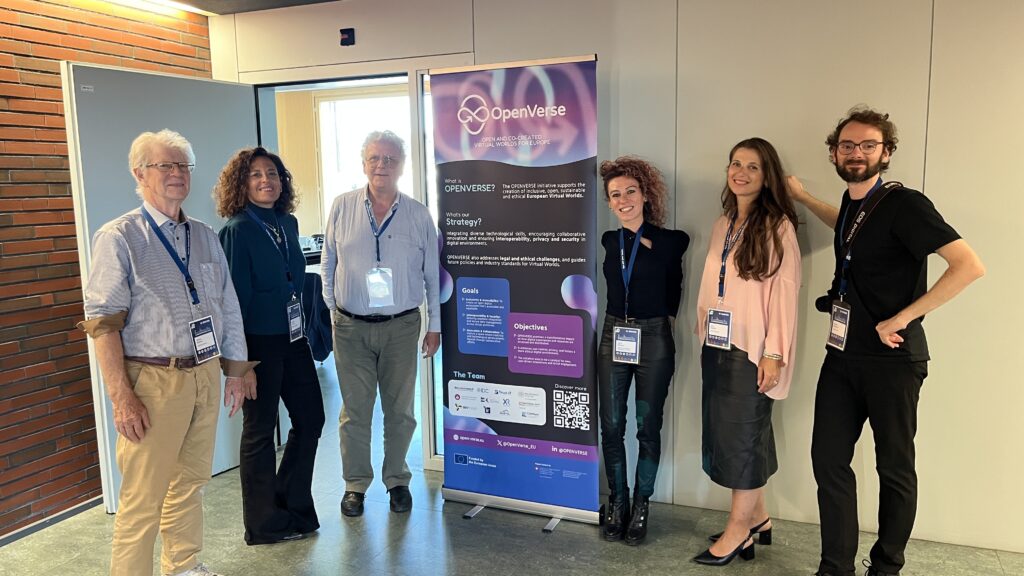
The OPENVERSE project was at the 22nd edition of the EuroXR International Conference (EuroXR 2025), held from 3 to 5 September at the ZHAW School of Management and Law in Winterthur, Switzerland. With over 235 participants from academia, industry and European-funded initiatives, the annual EuroXR conference was a great success. OPENVERSE made a significant impact by organising a highly attended workshop on the theme of ‘Co-creating in Virtual Worlds’ and playing a key role in discussions on the future of extended reality (XR) in Europe, as part of the ‘European projects session’ and the panel on ‘The future of XR’.
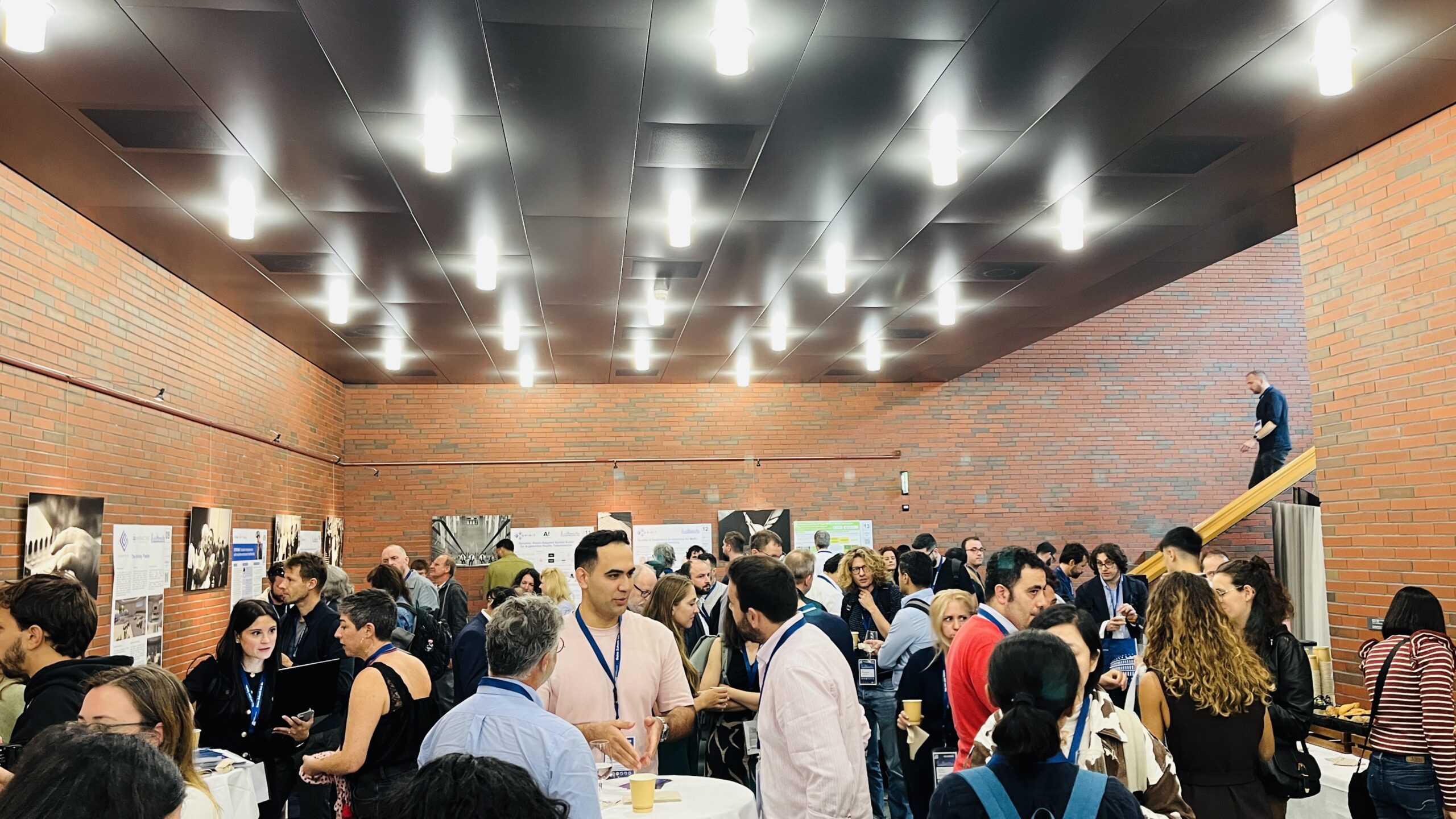
EuroXR Conference: A Premier Forum for the XR Ecosystem
Hosted at the ZHAW School of Management and Law’s Campus, Dr. Wolfgang Schäfer (Head of Service Lab X) served as Local General Co-Chair for this year’s conference, which followed in the footsteps of 2024’s successful edition in Athens, continuing to foster an inclusive and collaborative environment for the European XR community. The conference program was rich and diverse, offering keynote addresses, scientific and industrial sessions, poster and demo presentations, European project showcases, and interactive workshops—all reflecting the broad spectrum of XR innovation and its societal relevance.
- 17 research presentations in 5 Scientific Sessions
- 20 industrial and end-user talks in 4 Application Sessions
- 55 posters and 12 demos in dedicated Poster & Demo Tracks
- Panels, exhibitions, lab visits, and more than 50 EU-funded project showcases
Insightful Keynotes and Policy Alignment
The conference opened with high-level keynote sessions chaired by Dr. Marco Sacco, EuroXR Vice-President for EU Issues and Collaboration. He explained the European perspective on XR and the importance of fostering collaboration across policy, industry, and research. Marco Sacco then gave the floor to Anne Bajart, Deputy Head of Unit at European Commission, DG CONNECT. Anne Bajart emphasised the EU’s strategic commitment to XR innovation and its societal impact through her presentation on “Virtual Worlds and Web 4.0: Strategy, Actions, and Implementations.” She highlighted the EU’s vision for a strategy on Web 4.0 and Virtual Worlds that reflects core European values, fostering a digital space where people can feel safe, empowered, and included. Matthieu Worm not only introduced the new European Partnership on Virtual Worlds, sharing some chapters of the SRIA but also shared insights into his professional background, including his experience at Siemens and involvement in the Virtual Worlds Partnership. The partnership is still in the process of being formed, with the goal of developing the technological foundations for Virtual World systems and applications that are useful, sustainable, and trustworthy.
“Co-creating in Virtual Worlds”
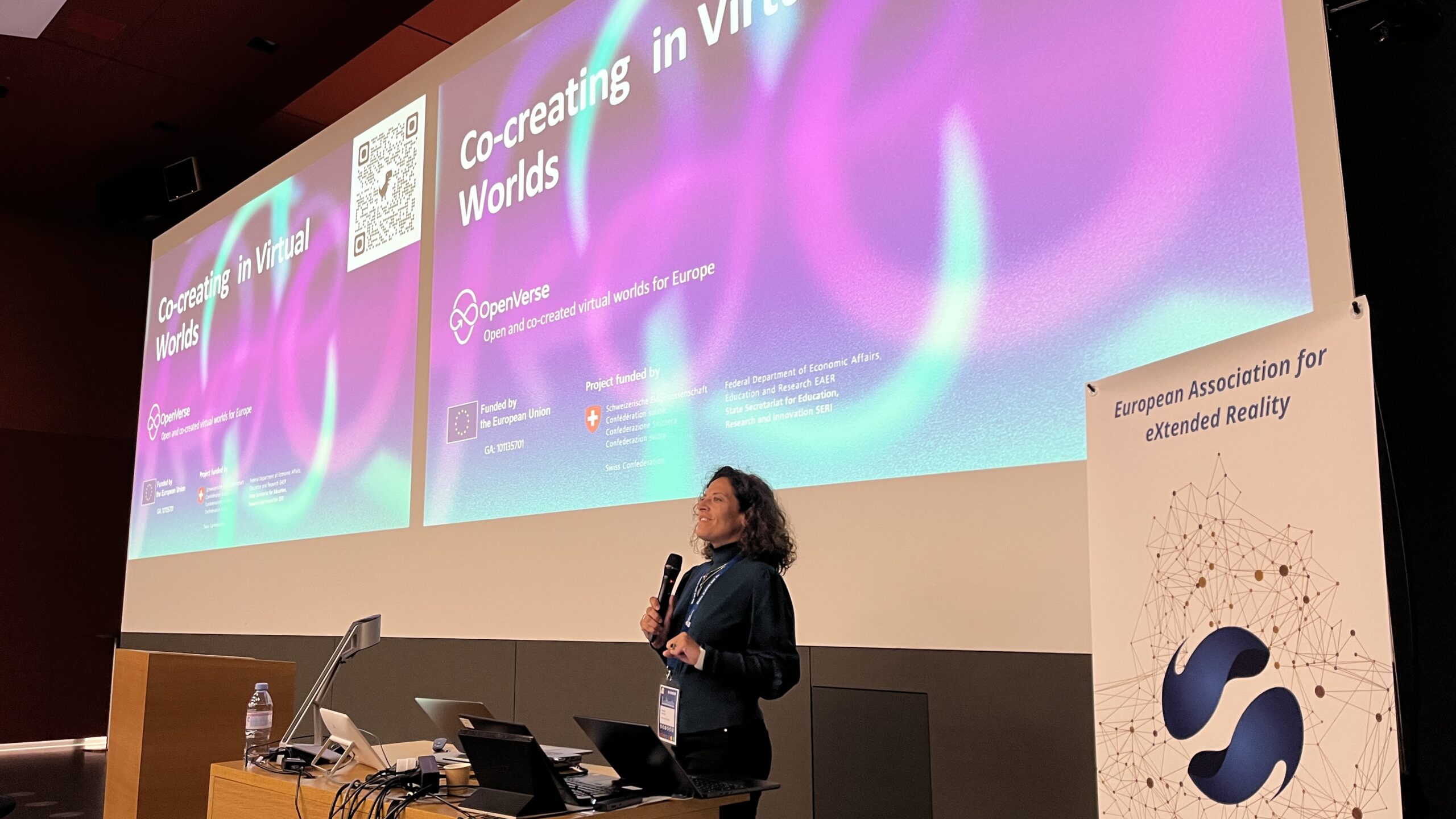
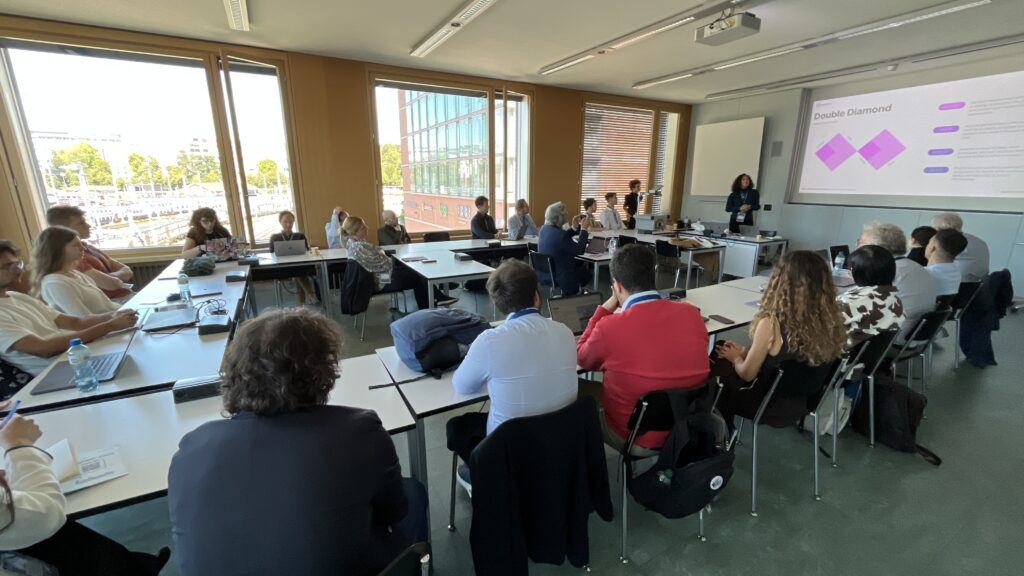
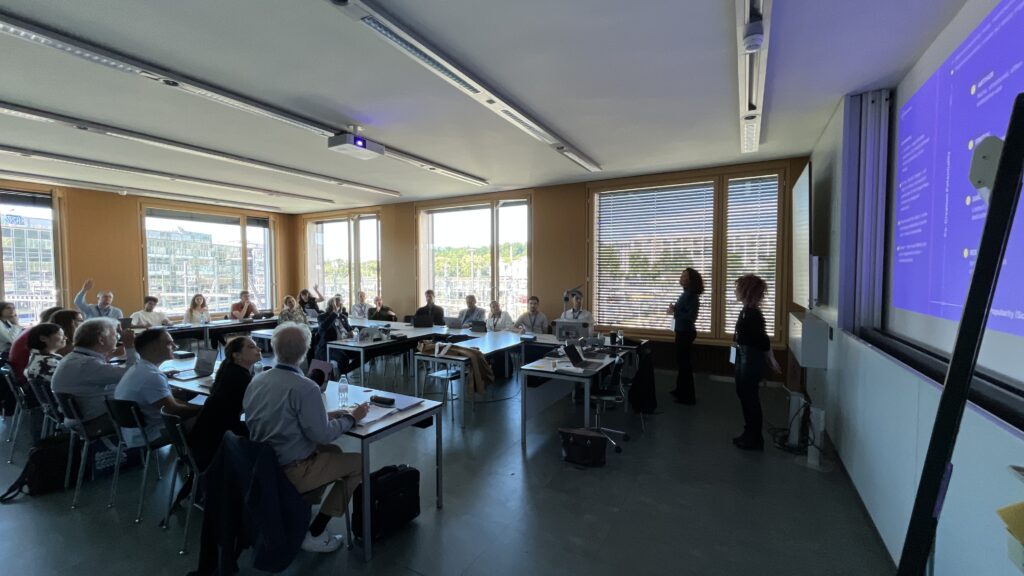
OPENVERSE project partners Department of Design at Politecnico di Milano (POLIMI) and Martel Innovate hosted an interactive workshop on the first day of the EuroXR Conference. The central theme was the use of co-creation, a collaborative approach to design and innovation in Virtual Worlds. The session emphasised how involving expert users, partners, and stakeholders throughout the design process can lead to more innovative, relevant, and impactful outcomes in immersive technologies.
“Co-creation is how Virtual Worlds stay real — inclusive, participatory, and grounded in people’s needs — because designing with users, not just for them, is what transforms digital platforms into meaningful ecosystems,” said Venere Ferraro, Associate Professor at the Department of Design, Politecnico di Milano.
Participants explored eight unique co-creation journeys, each tied to a different Virtual World use case, highlighting the breadth of application across industries and objectives. The OPENVERSE Co-Creation Toolkit was introduced, with tools structured around the Double Diamond design process (Discover, Define, Develop, Deliver). To ground theory in real-world application, the workshop showcased practical examples through the eight use cases, illustrating how the tools are effectively applied across various sectors and project goals.
The OPENVERSE workshop and panel participation were received with enthusiasm and curiosity, further cementing the project’s position as a thought leader in immersive co-design. The project also engaged with attendees during networking sessions, building new alliances and fostering synergies for future research and development.
“The Future of XR” Panel
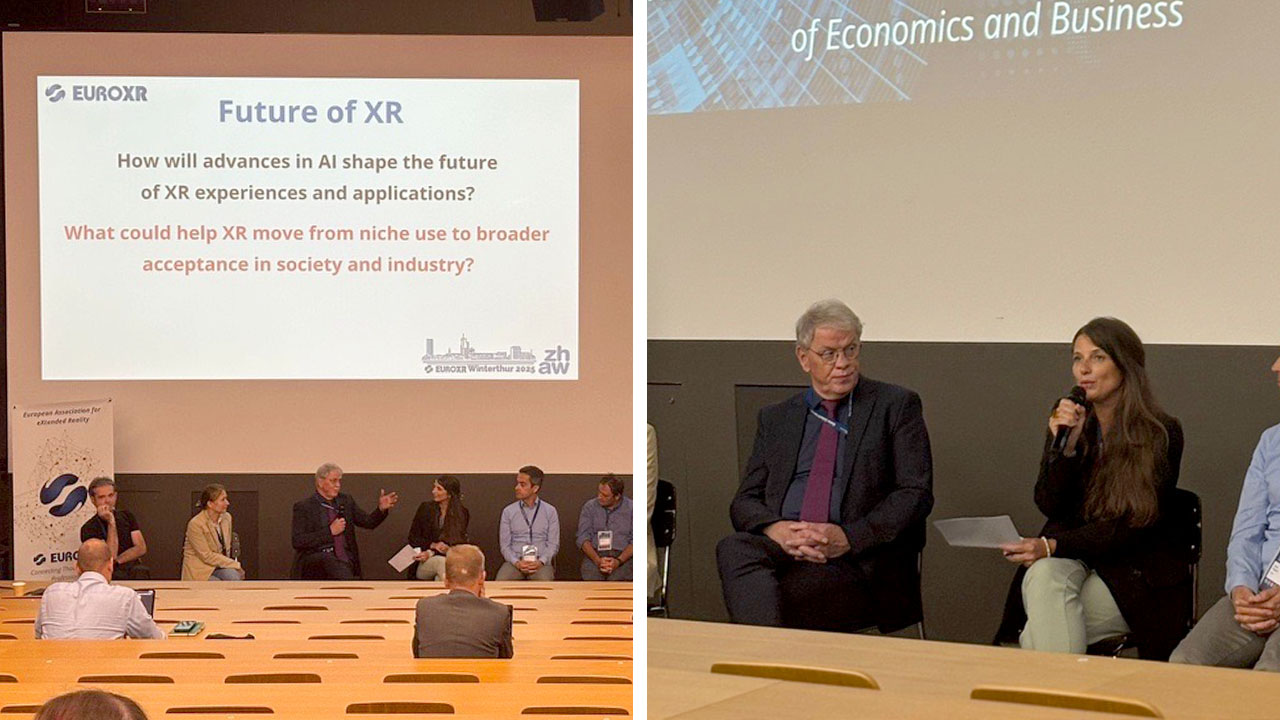
On the final day of the conference, OPENVERSE was among a select group of European projects featured in the flagship “Future of XR” panel discussion. Represented by Arta Ertekin, the project joined leading voices from across the XR ecosystem to address pressing challenges and opportunities, including:
- The role of AI and how it will shape the future of XR experiences and applications
- XR Adoption & Acceptance Strategies for democratising access and ensuring ethical governance
- Europe’s Role in XR, about how Europe should position itself in the global XR landscape
Amplifying European Collaboration in XR
OPENVERSE’s presence at EuroXR 2025 not only underscored the importance of co-creation methodologies in XR design but also demonstrated how EU-funded initiatives are advancing Europe’s strategic leadership in immersive technologies. The project was featured alongside other flagship efforts such as THEIA-XR, SUN, CORTEX2, SPIRIT, and Luminous, Sharespace, all of which are shaping the next generation of human-centered digital experiences.